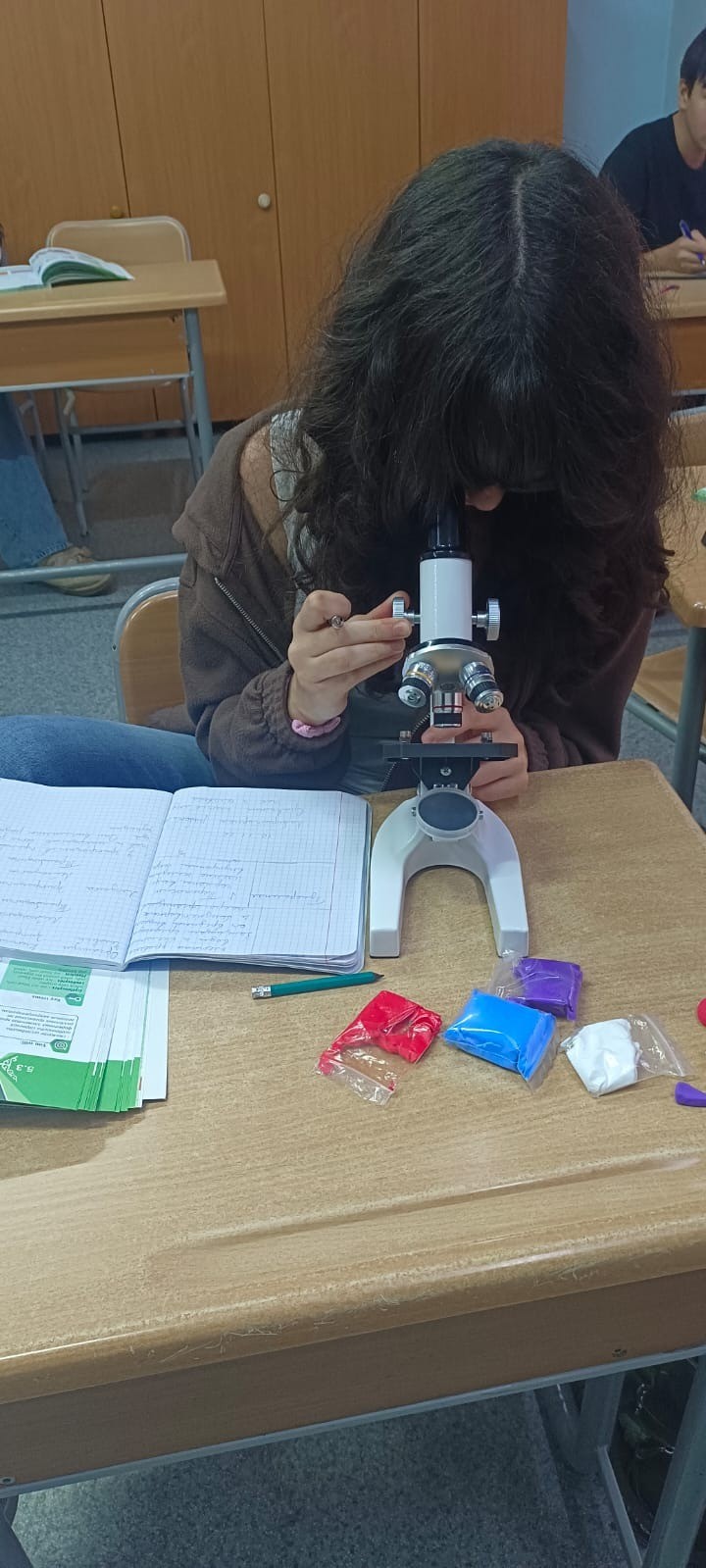
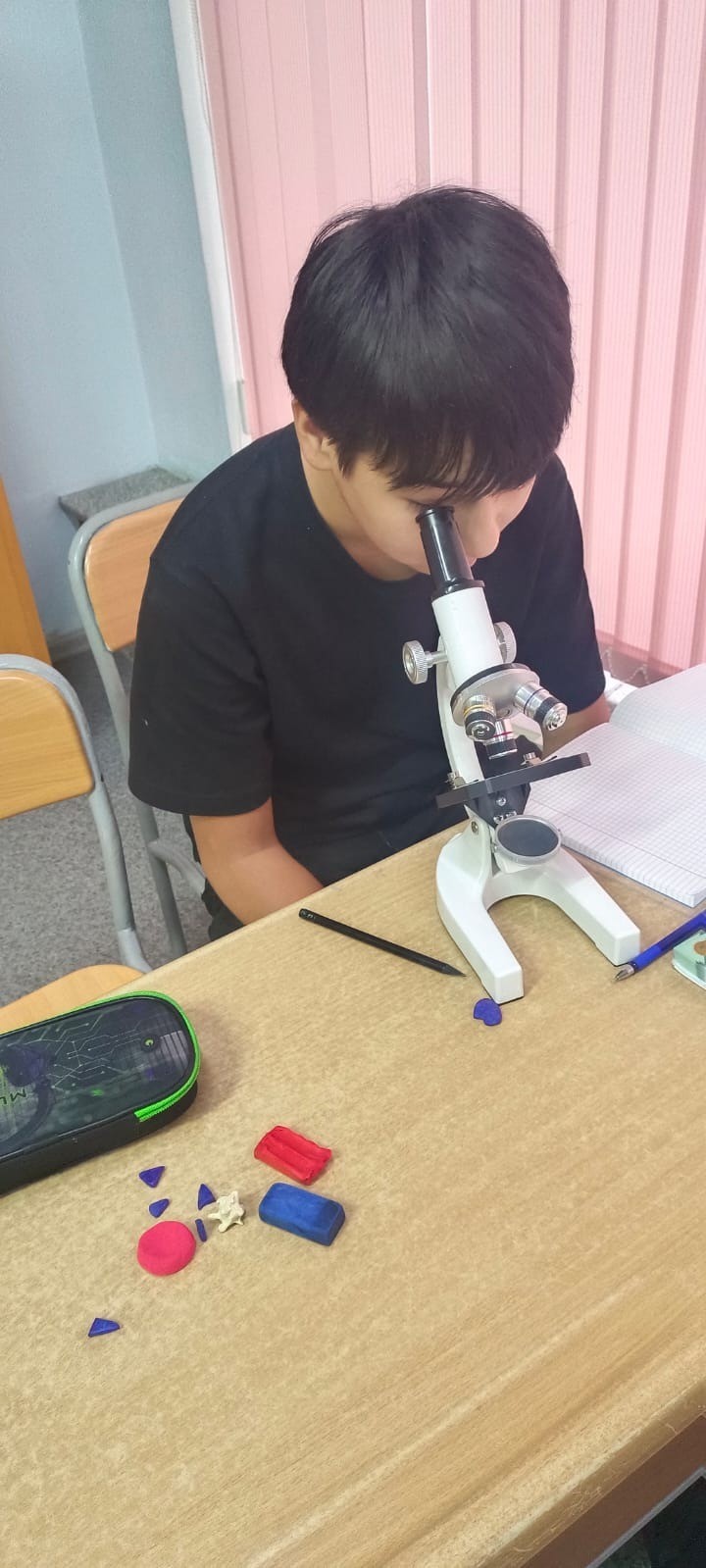
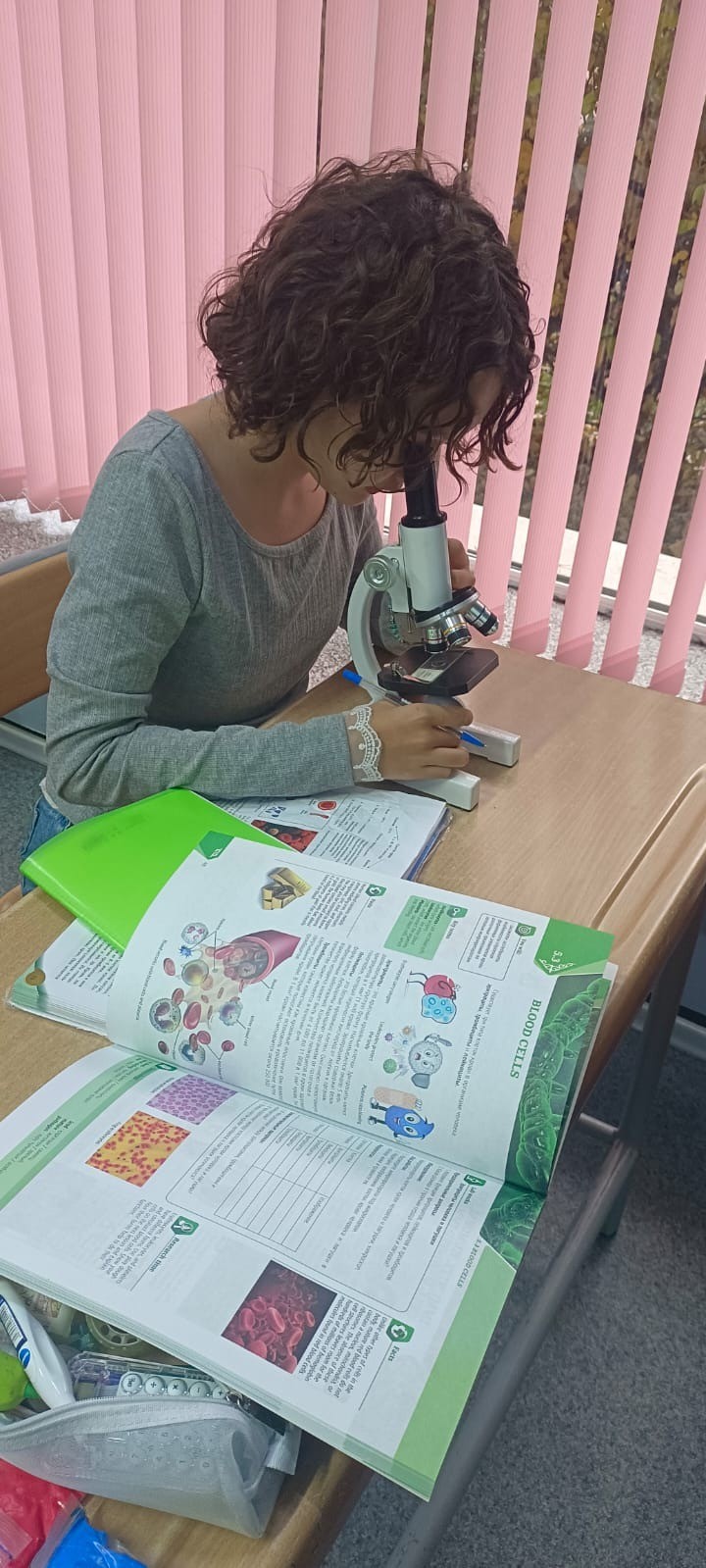
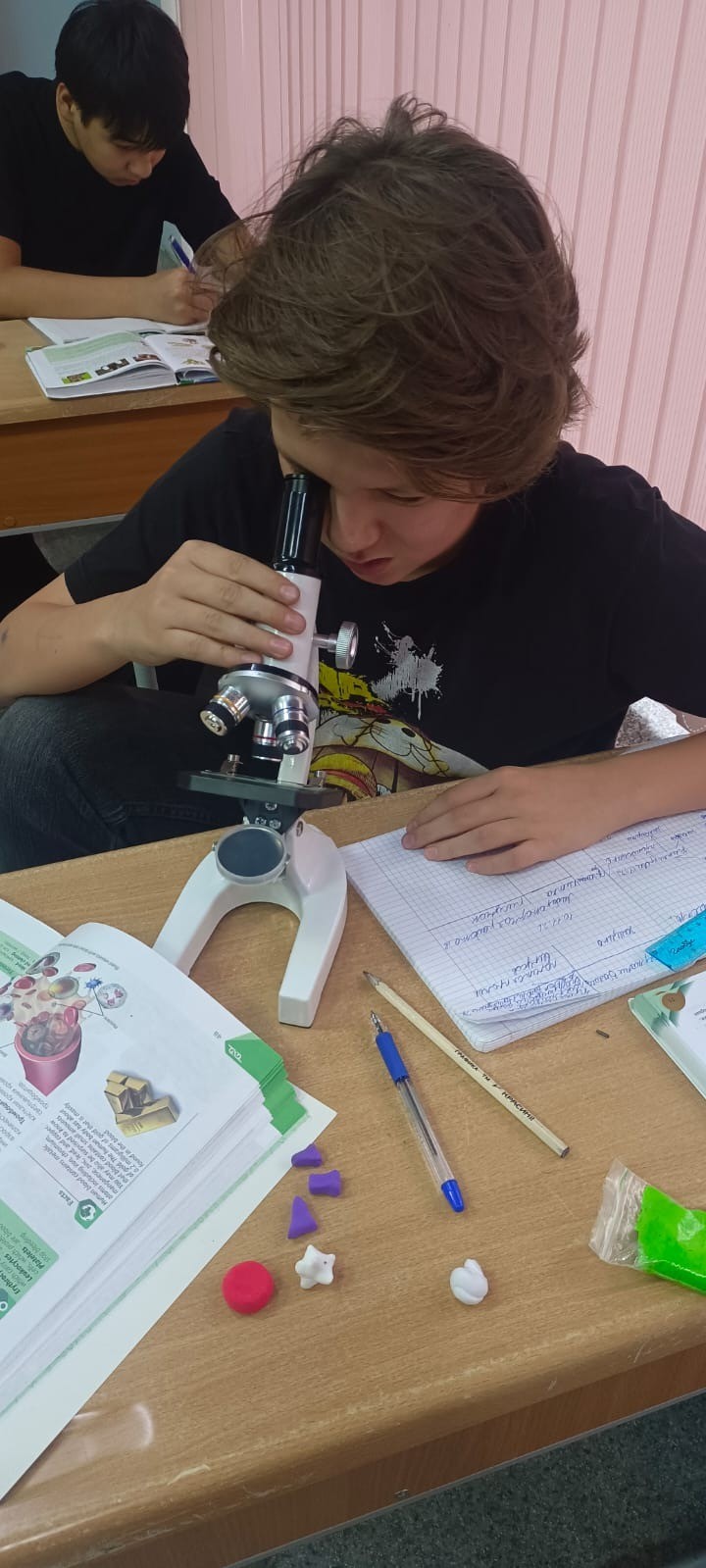
How is blood structured, and why is each component so vital to the body? Eighth-grade students at MKNO explored these questions in a biology lesson on "Blood Components."
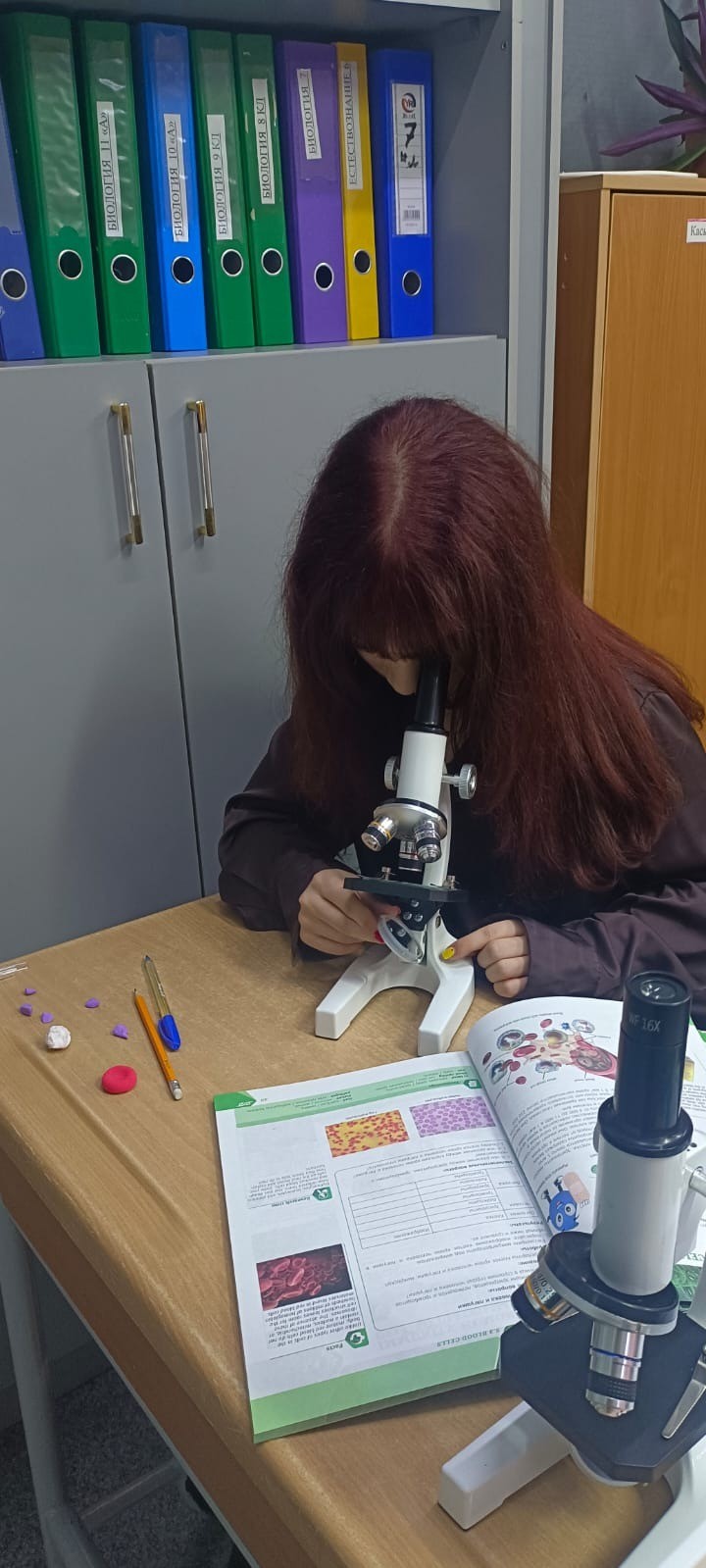
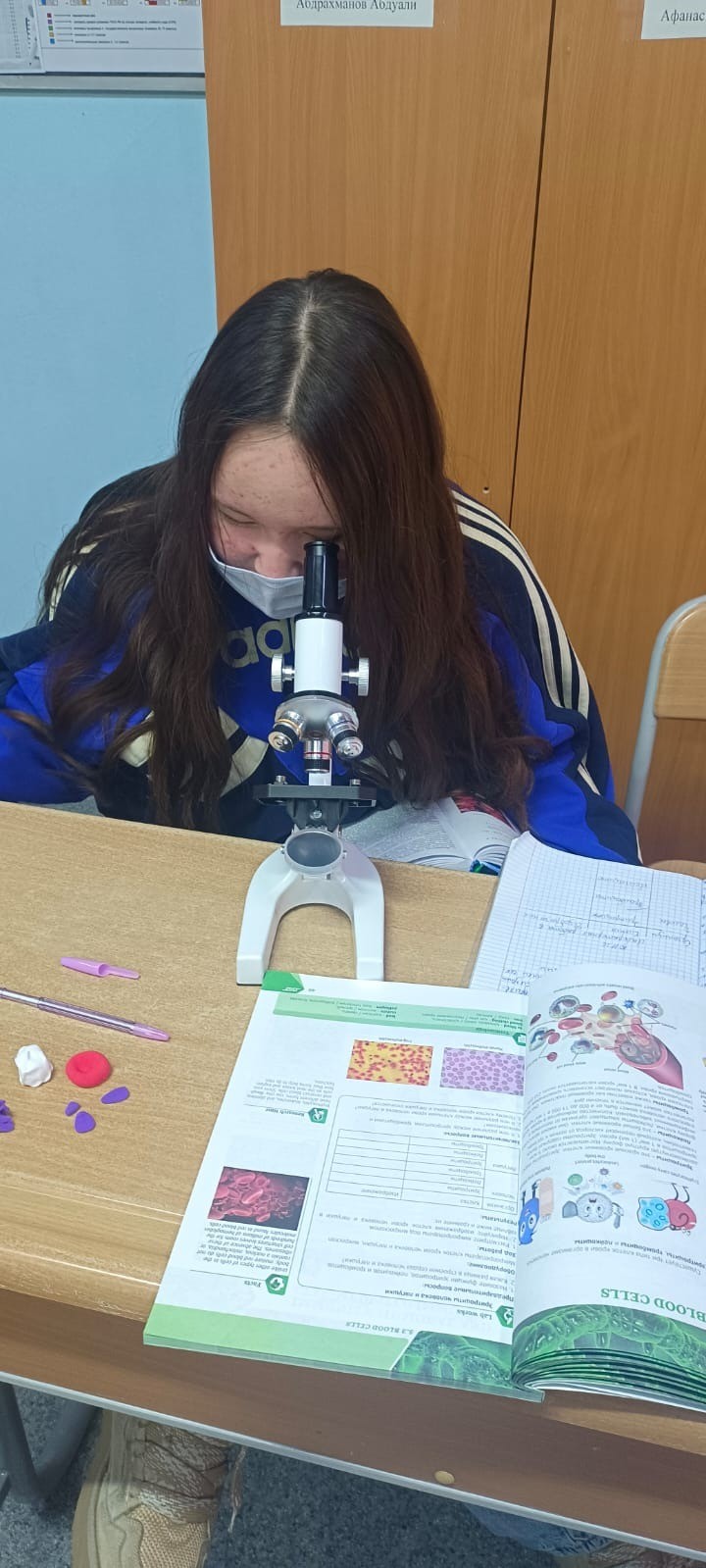
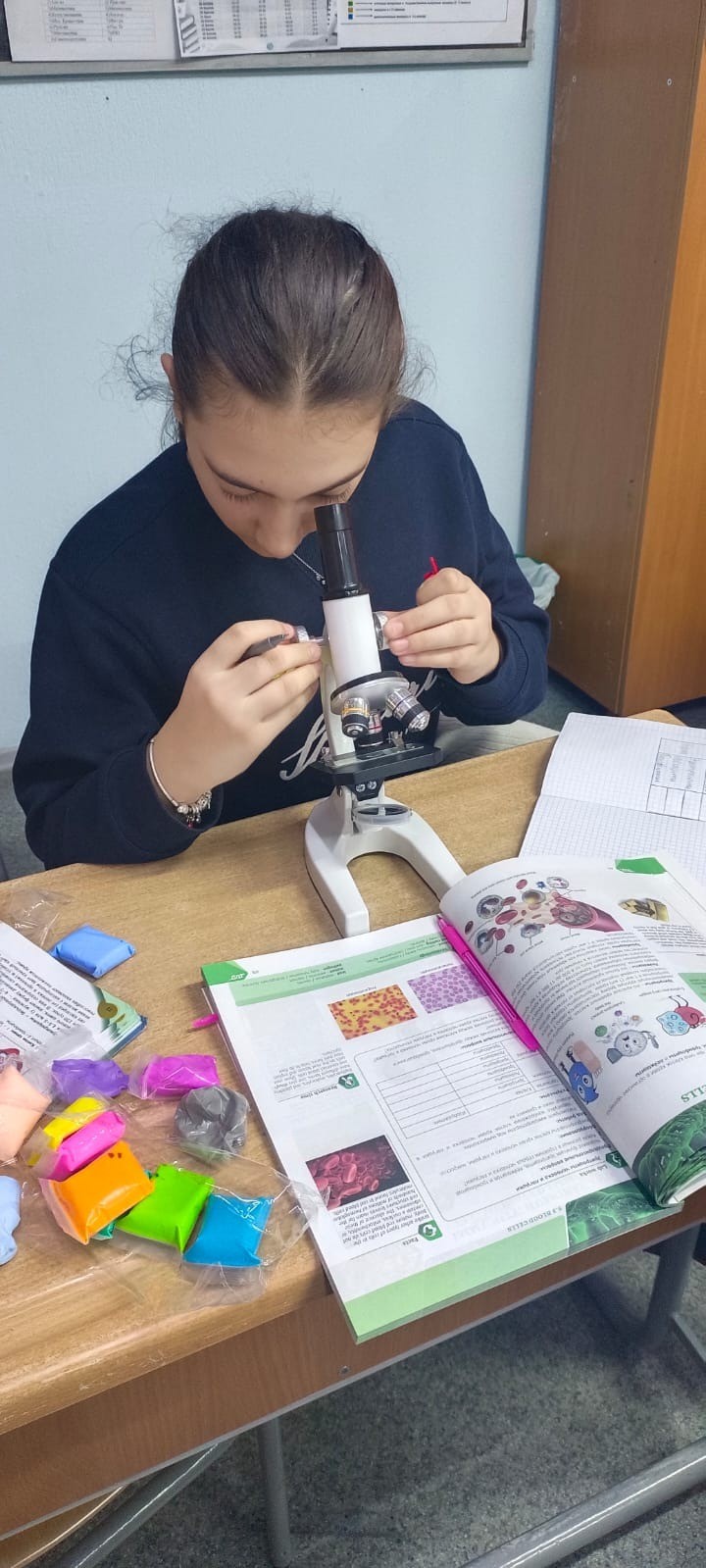
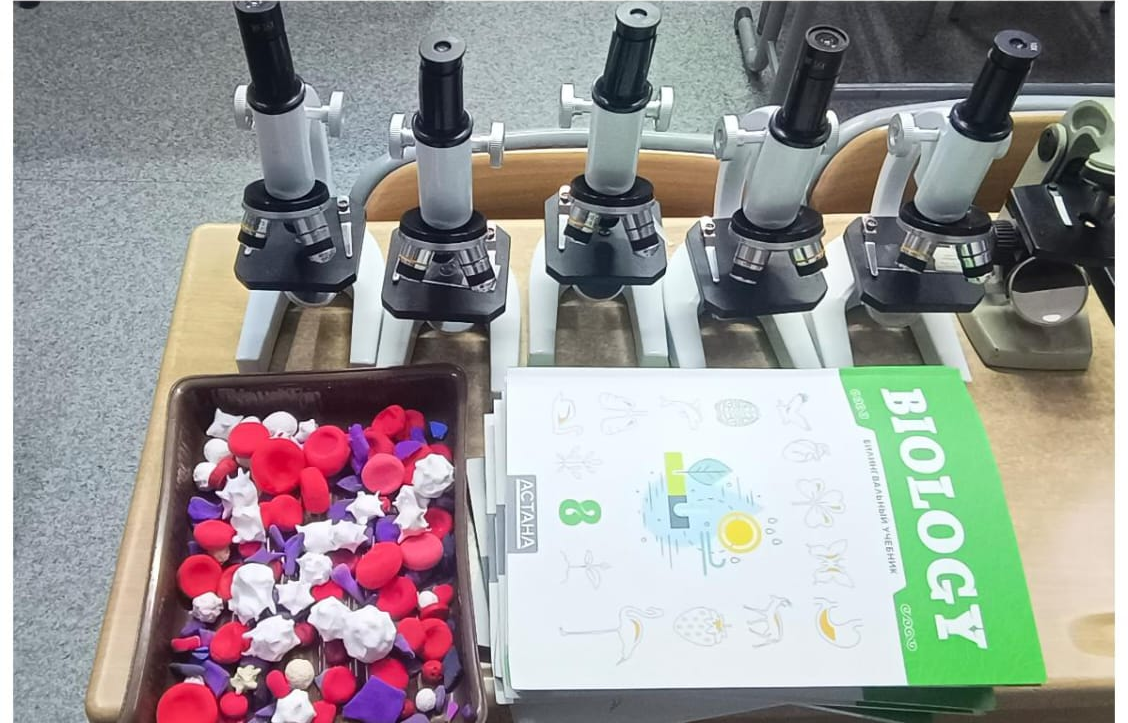
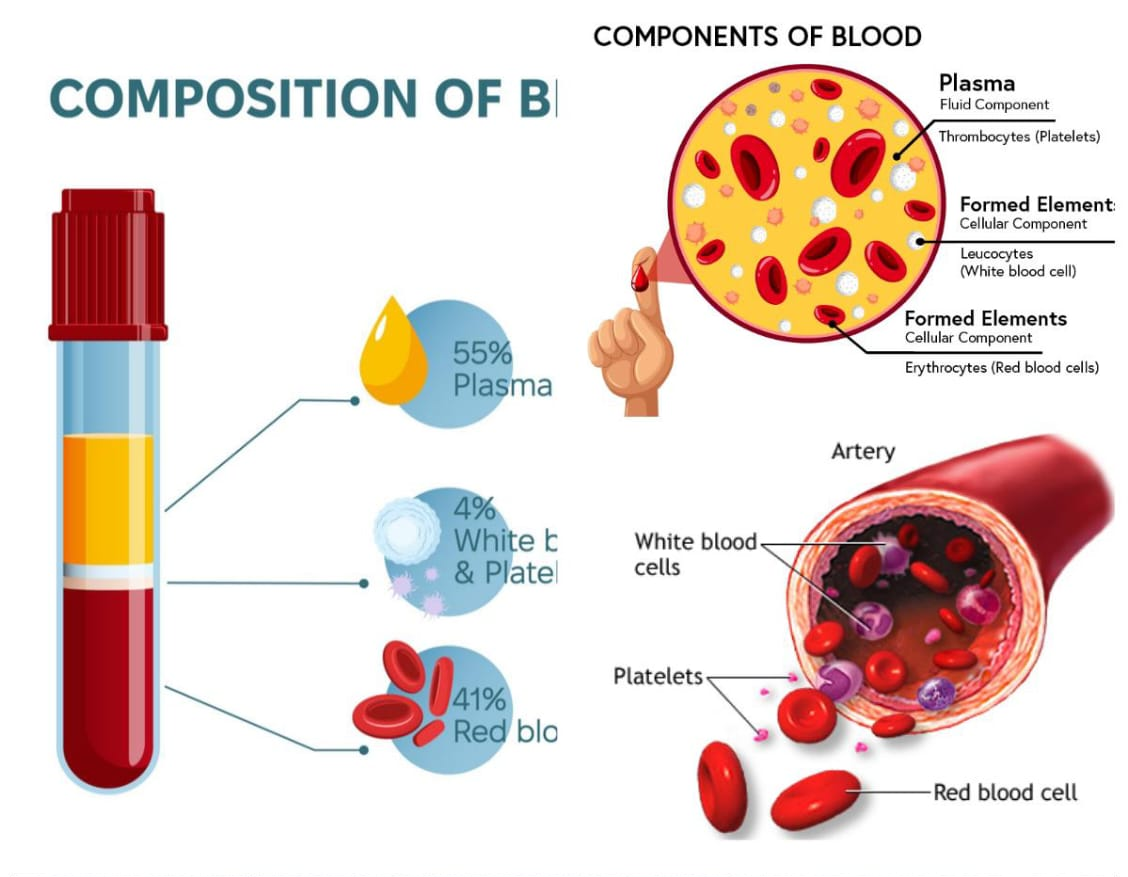
As part of the IB MYP (International Baccalaureate Middle Years Programme), the students worked with microscopes, examined models of blood cells, and compared the structures and functions of red blood cells (erythrocytes), white blood cells (leukocytes), and platelets (thrombocytes).
Using the key concept of "Systems," students investigated the interrelationships between blood components and discovered how their collective function sustains the organism's life.
This hands-on activity helped develop essential skills—such as research, critical thinking, communication, and collaboration—known as Approaches to Learning (ATL) skills.
This approach encourages students to go beyond memorizing facts; it empowers them to conduct their own research, analyze information, and gain a deeper understanding of how scientific knowledge explains processes in the human body.